
The Scottish economy has continued to demonstrate resilience despite ongoing uncertainty arising from tensions in the Middle East, according to the latest Quarterly Economic Commentary from the Fraser of Allander Institute. However, the latest data point to a more mixed picture, with growth continuing but remaining modest.
Reflecting stronger-than-expected economic performance in the first 4 months of the year, the Institute has revised its forecast for Scottish GDP growth in 2026 upwards from 0.9% to 1.0%.
However, the Commentary warns that significant risks remain. Labour market indicators point to softening in economic conditions, with employment falling and both unemployment and economic inactivity increasing in the first quarter of 2026. Payrolled employment has also declined through the opening months of the year, potentially reflecting a more cautious approach to hiring as firms navigate heightened uncertainty.
Inflationary pressures have eased in recent months, but the effects of the energy shock are being felt with a lag. Fuel and transport costs are already visible in the data, while household gas and electricity bills are likely to show a clearer impact from July, when the Ofgem price cap rises. Recent diplomatic progress has helped oil prices fall back sharply from their peak. However, risks have not disappeared entirely, and the outlook remains sensitive to whether energy markets continue to normalise.
Mairi Spowage, Director of the Fraser of Allander Institute, said:
“It is encouraging to see the Scottish economy continuing to grow despite a challenging and uncertain global environment. The stronger-than-expected performance in the first four months of 2026 has led us to revise our growth forecast upwards, demonstrating the resilience of households and businesses alike.
“However, it is too early to conclude that these challenges have passed. The conflict in the Middle East continues to create uncertainty for businesses and policymakers, while recent labour market data suggest some softening in hiring activity.
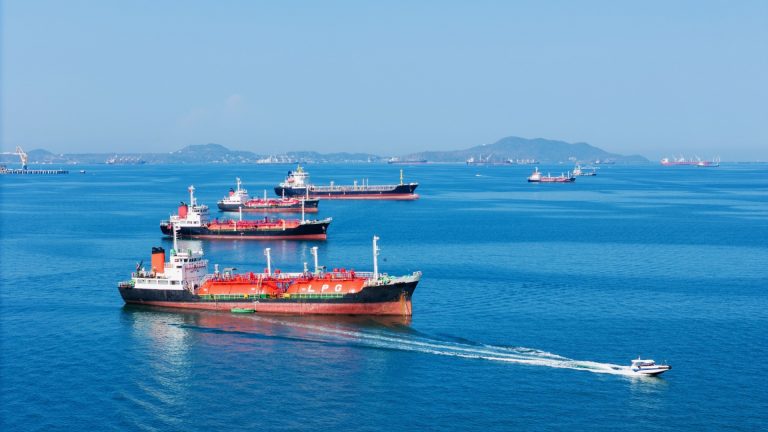
“Energy markets and the normalisation of activity through the Strait of Hormuz will remain important indicators to watch over the coming months. The longer disruption persists, or the more frictions there are in the movement of oil and gas, the greater the risk of a more prolonged impact on activity and prices. While the recent growth figures are welcome, the outlook remains uncertain, and a degree of caution is still warranted.”
Today’s Commentary also analyses the outcome of the May elections, the make up of the new Cabinet, and the consequences for parliamentary scrutiny in the new session.
Read the full commentary here.
Authors

Aidan is a Knowledge Exchange Assistant at the Fraser of Allander Institute.

Sara is a Research Associate at the Fraser of Allander Institute. Her main area of focus is macroeconomics, trade and sectoral analysis.

Mairi is the Director of the Fraser of Allander Institute. Previously, she was the Deputy Chief Executive of the Scottish Fiscal Commission and the Head of National Accounts at the Scottish Government and has over a decade of experience working in different areas of statistics and analysis.

João is Deputy Director and Senior Knowledge Exchange Fellow at the Fraser of Allander Institute. Previously, he was a Senior Fiscal Analyst at the Office for Budget Responsibility, where he led on analysis of long-term sustainability of the UK's public finances and on the effect of economic developments and fiscal policy on the UK's medium-term outlook.